
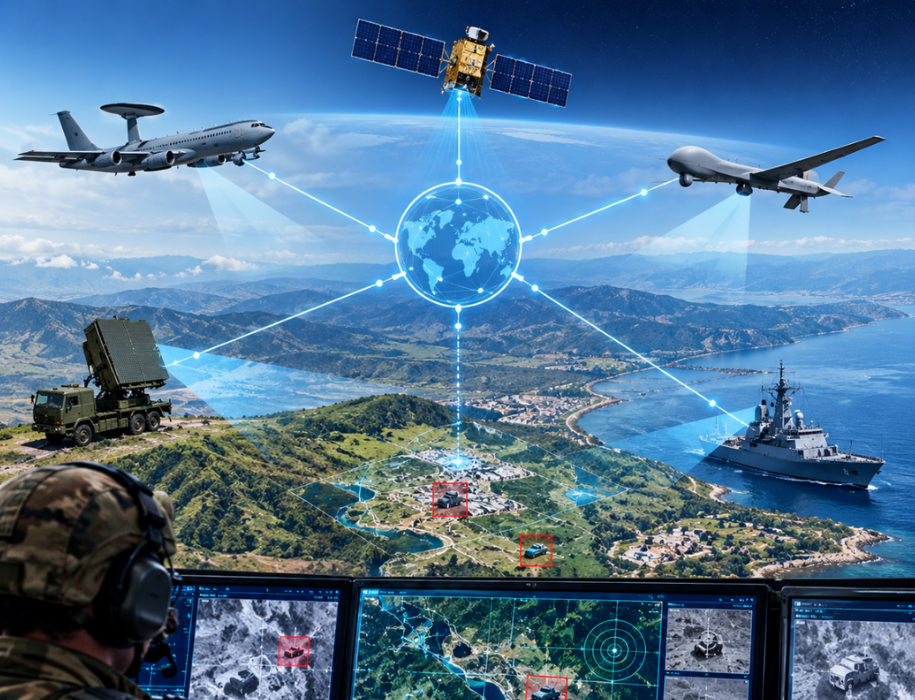
What is an ISTAR system? An ISTAR system is a defence capability that combines Intelligence, Surveillance, Target Acquisition and Reconnaissance to help military forces collect, process and use information about an operational environment. It brings together sensors, platforms, communications, computers, software and trained personnel to turn observations into useful intelligence for decision-makers. UK Defence describes ISTAR as a combination of sensors, weapons systems, IT hardware and software, people and processes that work together through the ISTAR cycle.
What does ISTAR stand for?
ISTAR stands for Intelligence, Surveillance, Target Acquisition and Reconnaissance. Each part has a distinct function, although the activities work together as part of one information-gathering capability.
Intelligence refers to information that has been processed and assessed to provide useful understanding. Surveillance involves monitoring an area, activity or target over time. Reconnaissance involves gathering information to answer a specific operational question. Target acquisition focuses on detecting, identifying and locating targets so that commanders can make informed decisions about how to respond. NATO describes intelligence as the final product derived from surveillance and reconnaissance, while surveillance and reconnaissance can involve visual observation and electronic technologies such as satellite imagery, uncrewed aircraft and passive sensors.
How does an ISTAR system work?
An ISTAR system typically starts by collecting information from multiple sources. These can include electro-optical cameras, thermal imaging cameras, radar, airborne sensors, ground systems, maritime platforms, satellites and other specialist surveillance equipment.
The collected information then moves through communications and processing systems. Computers and software can organise sensor data, combine information from different sources and present relevant information to operators or commanders. The UK Ministry of Defence has described the ISTAR cycle as involving directing, collecting, processing and disseminating information.
This process helps convert raw sensor information into intelligence that can support planning and operational decisions. Modern ISTAR architectures can also connect different platforms and sensors through common communications and information systems. The UK’s Land ISTAR programme is designed around an open system architecture intended to integrate multiple sensors with existing and future communications and information systems.
What equipment is used in ISTAR systems?
ISTAR does not refer to one particular piece of equipment. It describes a wider capability made up of interconnected technologies.
Airborne platforms can carry cameras, thermal sensors, radar, mission computers, video recorders and communications equipment. Ground-based systems can use surveillance cameras, radar, remote viewing equipment and other sensors. Space-based assets can provide imagery and other forms of intelligence over large geographic areas.
Mission computers are also important because they can process video and sensor information while connecting different pieces of mission equipment. Displays and video transmission systems allow operators to view information and share relevant data with other parts of an operational network.
Britannia 2000 Holdings Limited operates within this technology area, with its published product range including airborne mission computers, video downlinks, digital video recorders, mission equipment interface units, rugged displays, video cameras and thermal cameras. The company states that its systems and products support applications across the ISTAR spectrum.
Why are ISTAR systems important?
ISTAR systems help military organisations develop situational awareness before and during operations. Instead of relying on a single source of information, an integrated ISTAR capability can combine information from different sensors and platforms.
This approach can help commanders understand what is happening across land, air, maritime and other operational environments. NATO describes joint ISR as bringing together information from space, air, land and maritime assets to improve situational awareness.
The value of ISTAR also depends on how quickly information can move from collection to analysis and decision-making. UK Defence has highlighted the role of networked ISTAR capabilities in integrating multiple sensors and enabling information to be shared across military networks.
What is the difference between ISTAR and ISR?
ISTAR and ISR are closely related terms, but they are not identical. ISR stands for Intelligence, Surveillance and Reconnaissance. ISTAR adds Target Acquisition to these three functions.
ISR primarily focuses on gathering and developing intelligence from surveillance and reconnaissance activities. ISTAR extends this capability by including the detection, identification and location of targets for operational purposes.
The two terms can therefore appear together in defence programmes and systems. The exact terminology can vary according to the organisation, mission and capability being described.
Where are ISTAR systems used?
ISTAR capabilities can support operations across land, air and maritime environments. They can also draw information from space-based systems and networked sensors.
Airborne ISTAR platforms can collect information from above an area of interest, while ground systems can provide persistent observation from fixed or mobile positions. Uncrewed aircraft can also carry surveillance payloads and provide imagery or other sensor information.
The UK has used ISTAR capabilities across several military platforms. The Ministry of Defence has previously identified aircraft such as Reaper and other surveillance platforms as part of the UK’s broader ISTAR capability.
How are modern ISTAR systems evolving?
Modern ISTAR systems increasingly depend on network integration, modular architectures, advanced sensors and faster data processing. The UK Land ISTAR programme places emphasis on open architecture and interoperability so that different platforms and sensors can remain compatible as capabilities develop.
Automation can also support the processing and distribution of information. UK Defence documentation on current ISTAR development describes the use of automation to accelerate decision-making while reducing unnecessary electronic emissions between system components.
These developments mean that modern ISTAR is increasingly about connecting multiple information sources rather than relying on an individual sensor or platform.
Frequently Asked Questions
What is the main purpose of an ISTAR system?
The main purpose of an ISTAR system is to collect, process and distribute information that helps military personnel understand an operational environment and make informed decisions. It combines intelligence, surveillance, target acquisition and reconnaissance capabilities into a connected system.
What sensors are used in ISTAR?
ISTAR systems can use electro-optical cameras, thermal cameras, radar, satellite imagery, electronic sensors and other surveillance technologies. The exact sensor combination depends on the platform, mission and operating environment.
Is ISTAR only used by the military?
ISTAR is primarily associated with defence and military operations, but related surveillance and information-gathering technologies can also support government, law enforcement, emergency response and other specialist applications. The equipment and operating requirements differ according to the intended use.
What is the role of a mission computer in an ISTAR system?
A mission computer can process sensor and video information, manage data, connect mission equipment and provide information to operators. Airborne mission computers can also interface with equipment such as cameras, displays, recording systems and other mission-specific devices.
What is an ISTAR system in modern defence?
What is an ISTAR system in modern defence? It is an integrated capability that connects intelligence, surveillance, target acquisition and reconnaissance functions through sensors, platforms, communications, processing systems and personnel. Its purpose is to turn collected information into usable intelligence that supports situational awareness and operational decision-making.